
Storm Season Roof Prep In St. Louis, at a glance
A roof does not usually fail in a storm because the shingles were old, it fails because one loose detail was already there and the wind found it. A free inspection before the season finds those details. Call (314) 429-6000, answered any hour.
Why St. Louis storm season is its own problem
Two air masses meet over this region every spring, and roofs pay for it.
The metro sits where cold air out of the plains runs into warm wet air moving up from the Gulf. That collision produces the severe thunderstorm lines, hail cores and straight line wind events that define March through July here, and it is why roofs age faster in this region than the same shingle would in a milder climate.
Winter does its own damage first. Freeze and thaw cycles work sealant out of joints, lift nail heads and crack the rubber on pipe boots, so by the time the first severe line arrives in March the roof has already been loosened. Everything on the list below is cheap to fix in the off season and expensive to fix after it has let water into the house.
The pre season checklist
Most of this can be checked from the ground with binoculars. None of it requires you on a ladder.
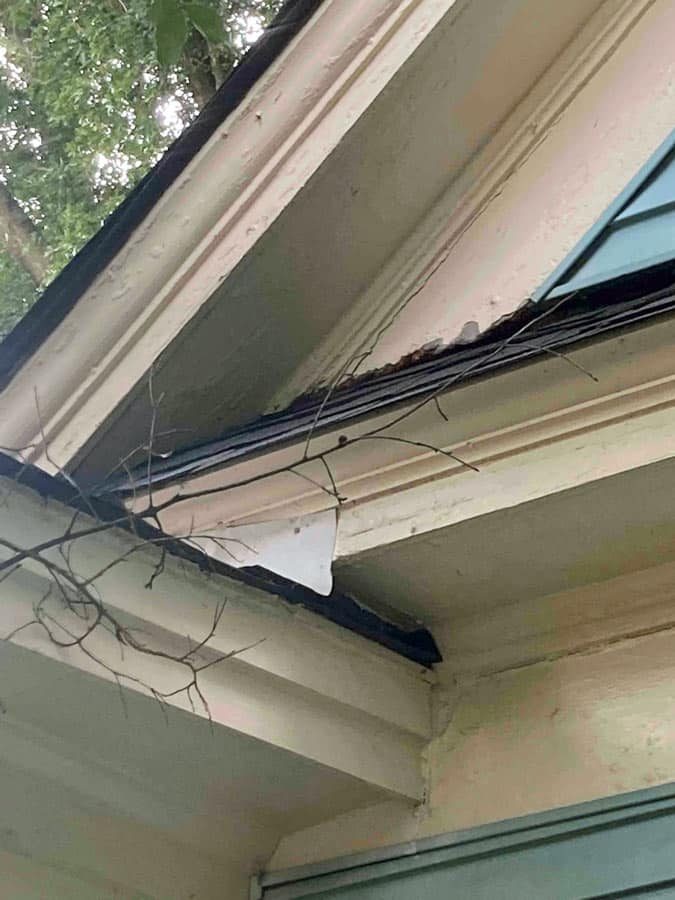
- Ridge cap sitting flat and unbroken along the entire ridge line, with no lifted or missing pieces
- Shingle courses lying flat, particularly the first three above the eave and along the rake edges where wind starts
- Pipe boots without visible cracking or a collar pulling away from the pipe
- Flashing at chimneys and wall transitions with metal visible rather than a bead of old caulk
- Gutters clear and firmly attached, downspouts discharging well away from the foundation
- Soffit vents open and unpainted, with attic insulation not packed into the intake
- No granule buildup at the bottom of downspouts, which is the first sign a roof is shedding its surface
If any of those come up short, the fix is a repair rather than a replacement in most cases, and it is a far smaller number in March than in July.
What preventive work is actually worth doing
Replace pipe boots before they split. They cost very little and the failure is predictable at about the ten year mark.
Reset or replace loose ridge cap. Ridge is where wind gets under a roof and starts peeling. A dozen loose cap shingles is a short job on a calm day and the beginning of a claim in a strong gust.
Fix the flashing rather than recaulking it. Sealant is a maintenance item, not a roofing system, and where caulk is doing the work of metal we quote replacing it properly.
Correct the ventilation and clean the gutters. A hot attic cooks shingles from underneath, and water dumping at the foundation is a basement problem before it is a roof problem. Both are cheap compared to what they cause.
St. Louis storm season at a glance
| Peak months | March through July, with a secondary autumn window |
|---|---|
| Main threats | Hail, straight line wind, driven rain, occasional tornado activity |
| First things to fail | Ridge cap, pipe boots, wall and chimney flashing, loose gutter aprons |
| Best time to inspect | Late winter, before the first severe line |
| Cost of an inspection | Free, with photographs, no obligation |
| Emergency service | 24 hours a day, answered by a person |
The day after a storm
Walk the ground first
Shingle pieces, granules, dented downspouts and bent vent caps in the yard tell you what happened up top before anyone gets on the roof.
Photograph everything
With the date. Include dents on the air conditioner, the mailbox and the fence, because they corroborate the roof damage.
Get a free inspection
Before calling the insurer, so you know whether there is a claim.
Stop active water
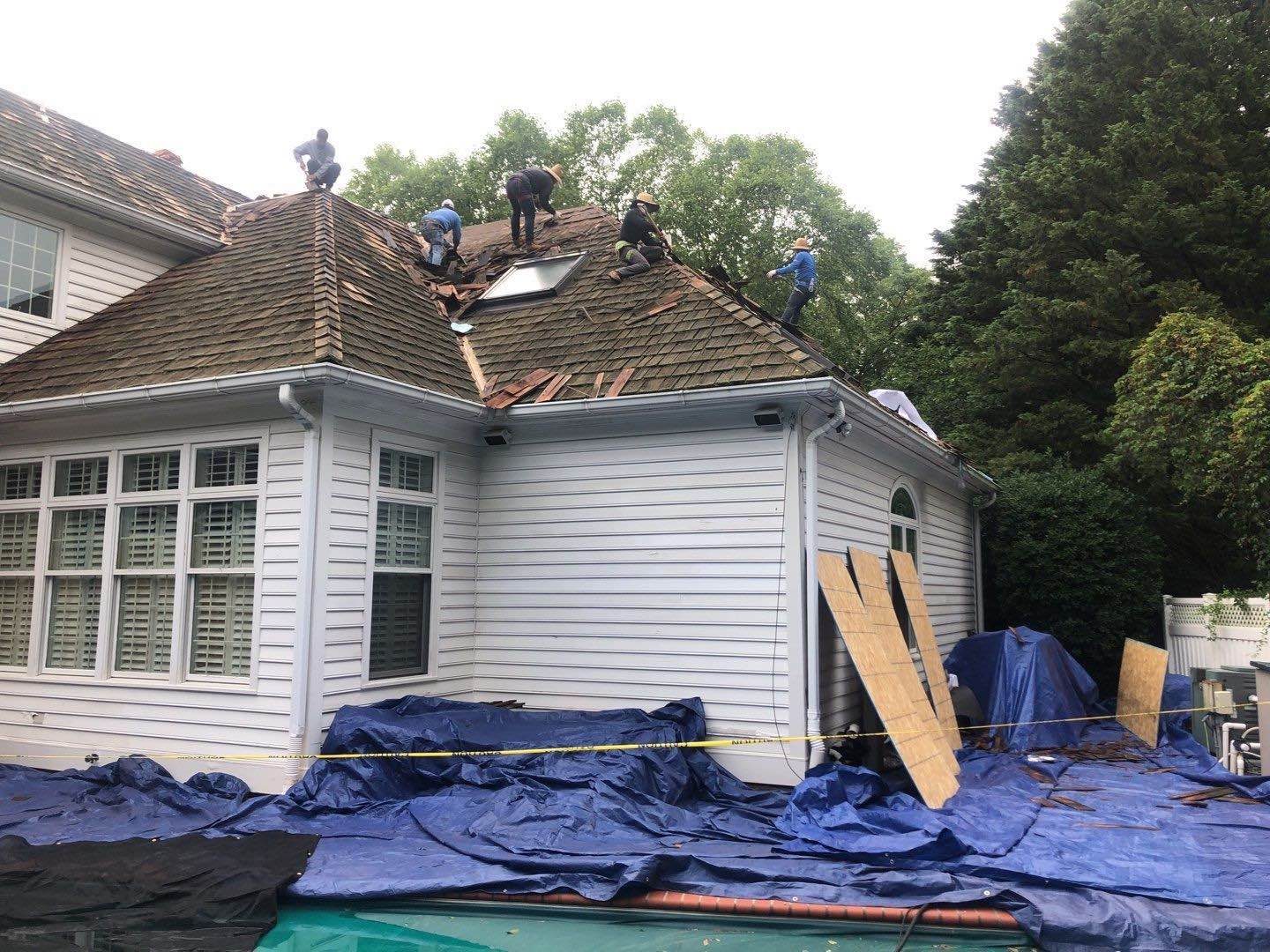
Call for emergency tarping the same night. Mitigation receipts are usually reimbursable.
Be careful who you sign with
Ask any door knocker for a license and a local address. Do not assign your claim to a stranger.
Storm season questions
When should I book a pre season inspection?
February or early March is the sweet spot. The roof has been through the freeze and thaw cycles and there is still time to fix what winter loosened before the first severe line comes through.
Is a storm season inspection really free?
Yes, including the written findings and the photographs. There is no trip charge and no obligation, and if your roof is in good shape we will tell you that and leave.
Will impact resistant shingles help?
They hold up better to hail and many insurers discount the premium for them, which is worth asking your agent about. They are most worth considering when you are already replacing the roof.
How often should a St. Louis roof be inspected?
Once a year in this climate, plus after any significant hail or wind event.
Can you do preventive repairs without replacing the whole roof?
That is most of what this page is about. Pipe boots, ridge cap, flashing and gutter work are all discrete repairs, and on a roof with service life left they are the right call.
Book a free St. Louis roof inspection
Send this and we will call to set a time before the season gets busy. Storm damage already? Tell us the date.
Storm work across the metro
Where we handle storm damage most often:
Get Ahead Of Storm Season
A free inspection now finds the loose details that a June storm line would have found for you.